Havanese Sports and Jobs: Putting the Breed's Instincts to Work
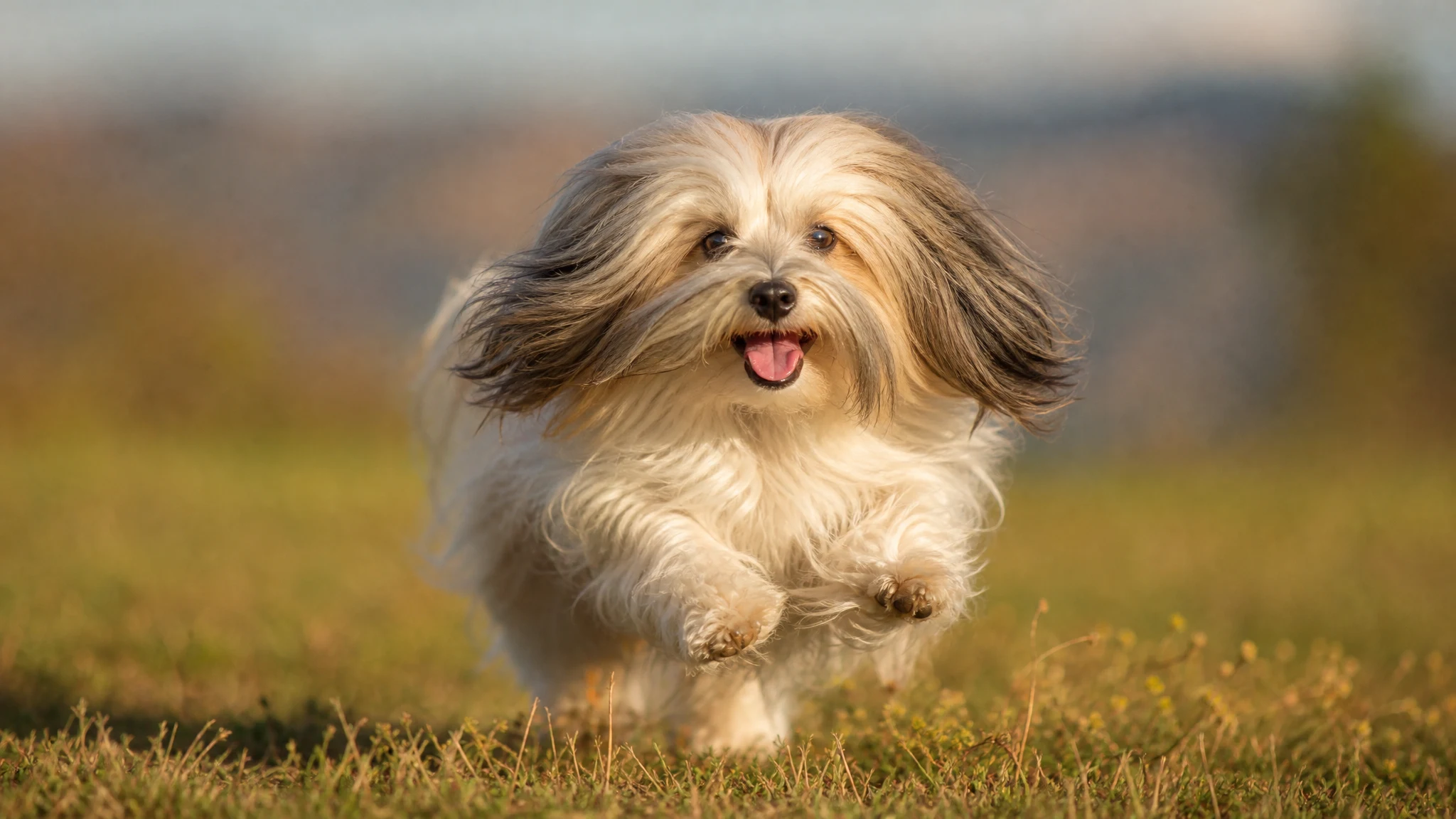
General training information. Every dog is an individual; for health or behavior concerns, see your veterinarian.
If you came here looking for a Havanese working dog, I will be honest up front. This is not a herding, hunting or guarding breed. The Purina breed page describes the original purpose as a pampered lap dog and companion of the aristocracy. The Westminster Kennel Club says the breed comes from Cuba and is that country's national dog.
That history matters for how you plan. A Havanese's "job" is mostly staying close to you and working with you. The good news is that this suits several dog sports well. This guide walks you through choosing an activity, preparing, and starting.
Why Havanese Sports Can Be a Good Fit
The Westminster Kennel Club rates the breed 4 out of 5 for trainability and 3 out of 5 for energy. The United Kennel Club standard describes the breed as intelligent, easy to train and attentive to the handler. It also says the breed is quiet and gentle but enjoys rowdy play.
Vetstreet notes an aptitude for obedience competition. It also says the Havanese Club of America (HCA) National Specialties include agility, obedience and rally. So the club that cares for the breed already treats these three activities as part of the Havanese world.
Individual dogs vary. A rating on a scale is a starting point, not a promise about your dog.
The Sports and Jobs to Consider
Obedience
Obedience is the formal version of skills you probably want anyway: heeling, sits, downs, recalls and staying put. Vetstreet points to the breed's aptitude here, which fits the UKC's description of a dog attentive to its handler. It is also the best foundation for every other sport on this list.
Rally
In rally, you and your dog move through a course of signs, and each sign tells you which skill to perform. You can talk to your dog and keep the pace relaxed. For a handler-focused breed, it is a friendly way to try competition-style work. Rally appears among the events at HCA National Specialties, according to Vetstreet.
Agility
Agility sends your dog over jumps, through tunnels and across other obstacles. It is also on the HCA National Specialty list, per Vetstreet. The Westminster Kennel Club gives the breed a height of 8.5 to 11.5 inches and a weight of up to 13 pounds. A small dog means small equipment and careful footing, so talk to your veterinarian before you begin (more on that below).
Everyday "jobs"
Not every Havanese needs a ribbon. A daily job can be as simple as a trick of the day, a short training game before dinner or a varied walk. Purina suggests about half an hour of exercise a day with varied walks. Treat that as a general guide and ask your veterinarian what suits your dog's age and health.
What You Will Need
- A well-fitted flat collar or a harness, plus a standard 4 to 6 foot leash
- Small, soft treats your dog loves, cut into tiny pieces
- A treat pouch or pocket so rewards come fast
- A favorite toy for dogs who like play as a reward
- A quiet space at home for short practice sessions
- A non-slip mat or rug to practice stays and foot placement
- A notebook to log what worked and what your dog found hard
- A calendar reminder for veterinary checkups
Skip any tool that causes pain or fear. Reward-based training is the approach supported by the American Veterinary Society of Animal Behavior (AVSAB), and it suits a dog as people-focused as this one.
Step-by-Step: Getting Started
Step 1: Check in with your veterinarian
Before any jumping, running or twisting, ask your veterinarian whether your dog is ready. The Havanese Club of America lists orthopedic problems among the breed's health concerns, including hip dysplasia and patellar luxation. It lists OFA Hips and OFA Patellas among its screening tests. The club also lists eye disorders, hearing loss and heart disease as issues.
Your veterinarian is the right person to judge your individual dog. Ask about your puppy's growth stage too, and about when higher-impact activity is appropriate. Do not guess.
Step 2: Build the basics first
Sports sit on top of everyday manners. Work on name response, sit, down, come and loose-leash walking before you join a class. Our complete guide to training a Havanese covers these foundations in order. Vetstreet says training can start the day the puppy comes home, so there is no reason to wait.
Step 3: Keep sessions short and upbeat
Aim for a few minutes at a time, two or three times a day. End while your dog is still eager. Mark the right behavior with a word like "yes" and deliver the treat right away. Short, happy sessions tend to hold the attention of a small, people-oriented dog better than long drills.
Step 4: Pick one activity to try first
Choose based on your goals and your dog's comfort:
- Want a close teamwork activity? Try rally or obedience.
- Want movement and variety? Try an agility intro class, once your veterinarian agrees.
- Not sure? Sign up for a basic manners or foundation class and watch how your dog responds.
Step 5: Find the right place to learn
The American Kennel Club (AKC) runs events and publishes the rules for them, and the HCA is the AKC parent club for the breed. Check both for current event information, since I do not have their full details here. Ask the AKC where to find local clubs and training groups in your area. Many communities have dog training clubs or independent instructors who teach beginner classes, but confirm the details with each one directly.
Before you commit, visit a class without your dog if you can. Look for:
- Treats, toys and praise as the main tools
- Small-dog-friendly equipment and a calm room
- Instructors who let dogs take breaks
- Clear class sizes and a plan for shy or excited dogs
Step 6: Teach the skills in small pieces
Break each skill into steps your dog can win at. For a recall, start across a room. For a heel, reward each step beside your leg. For an agility tunnel, start with a short, straight one and let your dog see you at the other end.
Add one new challenge at a time: distance, duration or distraction. Never all three at once. If your dog fails twice, go back to an easier step.
Step 7: Add distractions slowly
A class or trial has new smells, noises and dogs. Practice first at home, then in the yard, then somewhere quiet outdoors. Use higher-value treats as the distraction level rises.
Step 8: Practice being relaxed alone, too
Purina lists a dislike of being left alone as a known challenge for the breed. It also notes that the breed can be chatty and vocal. The Westminster Kennel Club rates barking 4 out of 5. Sports are great for bonding, but they should not make your dog more anxious when you leave.
Build short, calm absences into your routine and reward quiet. If your dog shows real distress when alone, ask your veterinarian or a qualified reward-based trainer for help.
Step 9: Move toward an event, if you want to
When your dog is steady in class, you can look at AKC events. Read the current rules on the AKC website, since requirements and eligibility can change. Start with a spectator visit if you can. Then enter something low pressure and treat the first outing as practice.
Tips for Success
- Use the bond. The UKC notes attentiveness to the handler. Make yourself the most fun thing in the room.
- Keep the jumps low and the surfaces grippy. Ask your veterinarian what is safe for your dog.
- Vary the work. Rotate tricks, walks and games so your dog stays interested.
- Keep the coat manageable. A long coat can get tangled or snag on equipment. Ask a groomer about practical options for active dogs.
- Quit early on bad days. A tired or sore dog should rest. Contact your veterinarian if you notice limping or other changes.
- Celebrate small wins. A calm sit in a new place is progress.
Common Mistakes to Avoid
- Skipping the veterinary check. Jumping and sharp turns are a lot to ask of a small body that has not been checked.
- Expecting a herding or hunting drive. This is a companion breed, so build the work around closeness and play.
- Drilling too long. Long, repetitive sessions can sour a willing dog.
- Using harsh corrections. Pain and intimidation do not fit AVSAB-aligned training, and they can damage the trust that makes this breed work well.
- Ignoring the barking. Excited barking can grow in a busy class. Reward quiet moments and give your dog space if it is overwhelmed.
- Rushing to compete. A confident dog enjoys it far more than a pressured one.
- Treating sports as a substitute for alone-time practice. Both matter for a dog that dislikes being left.
What Results to Expect
With regular, positive practice, many owners find their Havanese becomes more focused, more confident in new places and easier to live with. Short sessions may also give your dog a healthy outlet for mental and physical energy. Results vary by dog, age, health and how consistent the training is, and there is no set timeline.
Some dogs love the ring. Others prefer home games and walks. Both are fine, and either can still give your dog a real sense of purpose.
Frequently Asked Questions
Is a Havanese a true working dog?
Not in the traditional sense. Purina describes the breed's original purpose as a pampered lap dog and companion of the aristocracy. Its "work" today is teamwork with you.
Which sport should I try first?
Obedience or rally is a gentle place to begin, and both are listed among HCA National Specialty events by Vetstreet. Agility is also listed, but check with your veterinarian first.
How do I find a club?
Start with the AKC and the Havanese Club of America, then ask about local training clubs. Contact each directly to confirm schedules, requirements and fees, because I cannot list them here.