How to Train a Havanese: The Complete Guide
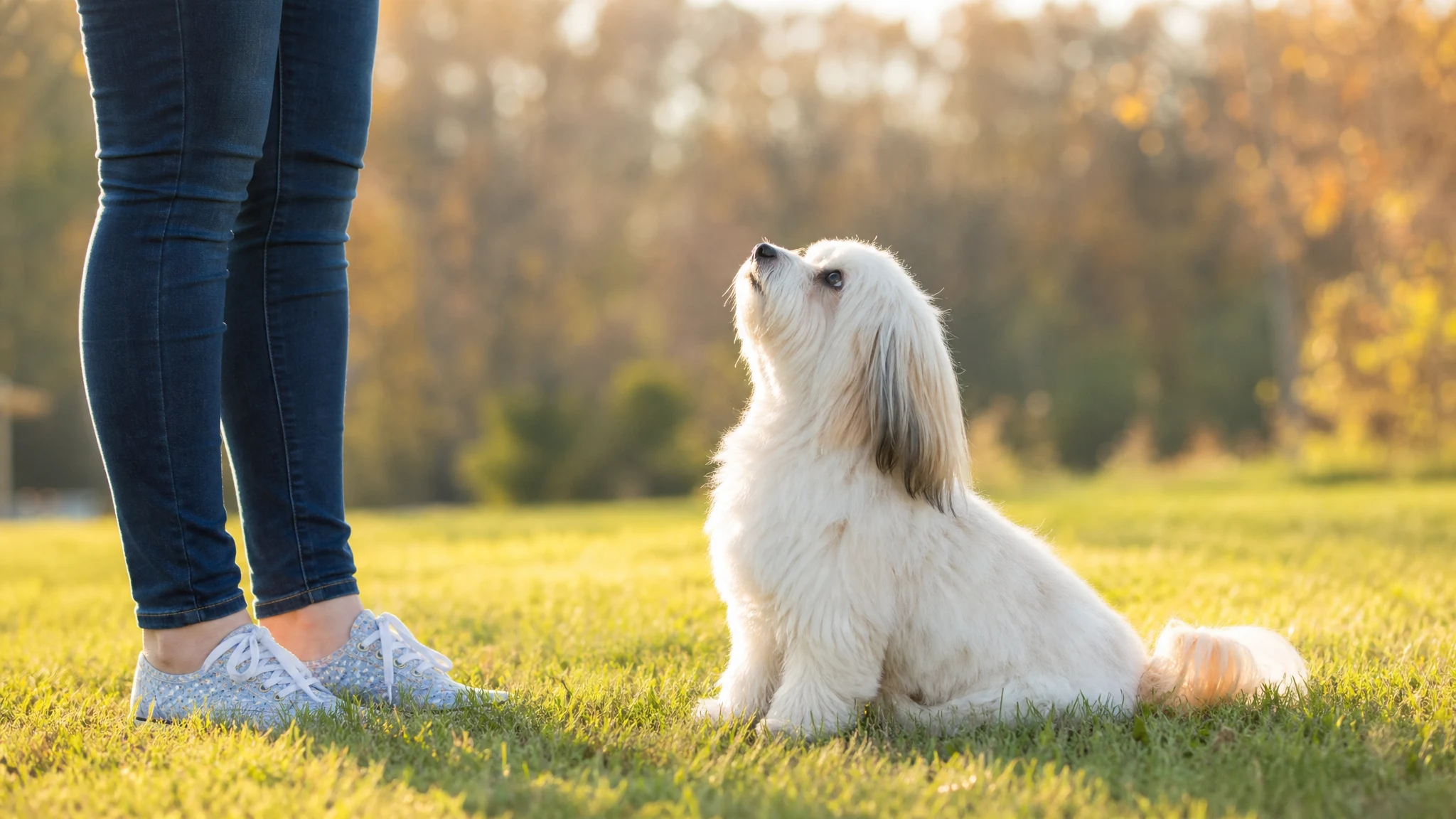
General training information. Every dog is an individual; for health or behavior concerns, see your veterinarian.
The Havanese is a small dog with a big appetite for company. That one fact explains most of what works, and most of what goes wrong, in Havanese training. This guide covers how the breed's history shapes its behavior, how to move from puppy to adult, which rewards to use, how much exercise and mental work to plan for, and which challenges to expect.
You will find plain steps, not tricks. Every method here is humane and reward-based, in line with the American Veterinary Society of Animal Behavior (AVSAB). Individual dogs vary, so treat breed descriptions as a starting point and let your own dog set the pace.
Key Takeaways
- The Havanese began as a pampered lap dog and companion of the aristocracy, so it is built for closeness with people.
- Sources describe the breed as easy to train and attentive to its handler. Start the day the puppy comes home.
- Use food, play and praise. Never use shock, prong or choke collars, alpha rolls, scruffing or dominance methods.
- Plan early for the two big challenges: not liking to be left alone, and a tendency to be chatty and vocal.
- Keep sessions short, upbeat and frequent. Daily exercise and brain games matter as much as formal lessons.
- Take any health or pain question to your veterinarian before blaming behavior on stubbornness.
Table of Contents
- What the Havanese Was Bred For and Why It Matters
- Setting Up Your Home and Routine
- Training Stages From Puppy to Adult
- Motivation That Works for This Breed
- Exercise and Mental Work
- Challenges to Plan For
- Sports, Health Checks and Next Steps
What the Havanese Was Bred For and Why It Matters
Training goes better when you understand what a breed was shaped to do. The Havanese did not herd, hunt or guard. According to the Westminster Kennel Club, the breed comes from Cuba and is the national dog of Cuba. Purina describes its original purpose as a pampered lap dog and companion of the aristocracy.
Think about what that job requires. A dog that lives beside people all day has to read faces, enjoy attention and stay near its family. That background fits the way the breed is described today.
Temperament in the breed's own descriptions
The United Kennel Club describes the Havanese as friendly, playful, alert and intelligent. It also says the breed is quiet and gentle but enjoys rowdy play. So you may see a calm lap dog one minute and a bouncing clown the next. Both are normal.
What the ratings suggest
The Westminster Kennel Club rates the breed on a five-point scale. These ratings are one source's view, not a promise about your dog:
| Trait | Westminster rating | What it means for training |
|---|---|---|
| Trainability | 4 out of 5 | Expect quick learning when lessons are clear and fun. |
| Energy level | 3 out of 5 | Moderate. Daily walks and play are enough for most households. |
| Barking level | 4 out of 5 | Plan to teach a quiet cue and manage alert barking. |
| Shedding | 2 out of 5 | Low shedding, but check the grooming needs with your breeder or the parent club. |
Vetstreet adds that the bark is not yappy, but it sounds like it comes from a bigger dog. That is useful to know if you have close neighbors.
What the sources do not tell us
The sources we relied on do not give a rating for how the breed does with children or with other dogs. If that matters to your household, ask the Havanese Club of America or a breeder who health tests their dogs, and meet the parents if you can. Any dog, in any breed, needs supervised, careful introductions.
Size matters for handling, too. The Westminster Kennel Club lists a height of 8.5 to 11.5 inches and a weight of up to 13 pounds. The United Kennel Club standard says 8.5 to 10.5 inches and 7 to 14 pounds. Sources differ slightly, so think of the Havanese as a small dog you will often carry, lift and hold. That is one more reason to teach calm handling early.
Setting Up Your Home and Routine
Good Havanese training starts before the first lesson. Set up the home so the puppy can succeed, and the lessons become easier.
Start the day the puppy comes home
Vetstreet says the Havanese is easy to train and recommends starting the day the puppy comes home. You do not need a formal class on day one. You need a routine: regular meals, regular outings to the potty spot, short play sessions and plenty of naps.
Create a safe space
Give your puppy a place that is theirs. A crate or a small pen with a bed, a chew and a water bowl works well. Introduce it with treats and calm praise, never as punishment. This space becomes the base for house training, rest and, later, practice at being alone.
Because the breed is described as a dog that does not like to be left alone, begin gentle alone-time practice right away. Start with a few minutes while you are in the next room. Build up slowly so the puppy learns that you always come back.
Choose your tools
You need very little:
- A well-fitted flat collar or a comfortable harness, and a standard leash
- Small, soft treats that can be eaten quickly
- A few safe chew items and puzzle toys
- A treat pouch, so rewards are always within reach
Avoid shock, prong and choke collars. They are not needed, and they go against reward-based training.
Agree on house rules
Decide as a family what is allowed. If the puppy can climb on the sofa, everyone should agree. Mixed rules confuse a young dog. Clear, consistent cues from every person are one of the best Havanese training tips there is.
Training Stages From Puppy to Adult
Specific age-by-age timelines for the breed were not available in the sources we used, so the stages below are general, humane training steps rather than breed-specific deadlines. Your dog may move faster or slower. If you want a breed-specific view of development, ask your veterinarian or a breeder with health-tested lines.
Stage 1: The first weeks at home
Your goals are simple: trust, routine and good first experiences.
- Name response. Say the name in a happy voice, then reward when the puppy looks at you.
- House training. Take the puppy out after sleeping, eating, drinking and play. Reward immediately when they go in the right spot.
- Crate comfort. Feed some meals in the crate and leave the door open at first.
- Gentle handling. Touch paws, ears, mouth and body briefly, then give a treat. This makes grooming and vet visits easier later.
Accidents will happen. Clean them up quietly. Never scold or push a puppy's nose in a mess. It teaches fear, not toileting.
Stage 2: Foundation manners
Once the puppy is settled, add the basics. Keep each session to a few minutes and end while the puppy still wants more.
- Sit. Hold a treat just above the nose and move it back over the head. When the bottom touches the floor, say "yes" and reward.
- Down. From a sit, lure the treat toward the floor between the paws.
- Come. Say the cue in a bright voice and reward generously. Never call your dog to punish them.
- Wait. Ask for a short pause at doors and before meals, then release with a cue such as "okay."
- Leave it. Teach your dog to ignore an item on cue and reward them for doing so.
Add the cue word only after your dog does the behavior reliably. Fade the lure into a hand signal, then reward less often as the skill grows.
Stage 3: Leash skills and social experience
Start leash walking in a quiet place. Reward your dog for staying near your leg. If the leash tightens, stop walking and wait. When it loosens, move on. Your dog learns that a slack leash makes the walk continue.
Introduce new sights, sounds, surfaces and people at a pace your dog can handle. Pair each new thing with treats. Keep experiences short and positive. If your puppy looks worried, give more distance and try again later. Check with your veterinarian about when it is safe for your puppy to go to public places and meet other dogs, as it depends on vaccinations.
Stage 4: Adolescence
Many dogs go through a stretch where manners seem to slip. Your dog is not being spiteful. Their brain and body are changing, and old habits need a refresher.
- Go back to easier cues and reward more often.
- Practice in new places, one step at a time.
- Keep up exercise and mental games to use up extra energy.
- Stay calm. Patience pays off more than pressure.
Stage 5: Adult dog
Adult Havanese training is about keeping skills sharp and adding fun. Rotate cues, introduce a new trick every few weeks and keep practicing alone-time. A trained dog still benefits from practice. Life changes such as a move, a new baby or a new job schedule can bring old issues back, so go back to basics when that happens.
Sources give varying lifespans. The Westminster Kennel Club says up to 16 years, while Purina says 13 to 15 years. Either way, you may share many years, so training is a long-term habit rather than a one-time project.
Motivation That Works for This Breed
The United Kennel Club describes the Havanese as intelligent, easy to train and attentive to the handler. That attention is your biggest asset. The goal is to use it well.
Praise and affection
A breed built for companionship often values your attention highly. Warm praise, a smile and a quick cuddle can be real rewards for many dogs. Use them alongside food, not in place of it, especially when teaching new skills.
Food rewards
Small treats make clear, fast feedback easy. Keep them tiny so your dog can eat them in a second and stay focused. For a small breed, treats add up. Count them as part of the daily food, and ask your veterinarian how to adjust meals. We do not give feeding amounts here, because they depend on the individual dog.
Play
Short games of tug, fetch or chase can work as rewards, too. Since the UKC notes the breed enjoys rowdy play, use play to break up training and to reward a tough exercise.
Timing and markers
Reward within a second of the behavior. A marker word such as "yes" tells your dog exactly what earned the treat. Say it, then deliver the reward.
What to avoid
Do not use shock, prong or choke collars, alpha rolls, scruffing or dominance methods. AVSAB position statements recommend reward-based training, and harsh methods can increase fear and anxiety. A sensitive, people-focused dog has even more to lose from harsh handling, because it can damage the trust that makes training easy.
When your dog loses interest
If your dog stops working, ask a few questions before blaming the dog:
- Is the session too long?
- Are the treats boring?
- Is the setting too distracting?
- Is your dog tired, hungry or uncomfortable?
- Could pain or illness be involved? If so, call your veterinarian.
Exercise and Mental Work
A tired, satisfied dog learns better. A bored dog invents its own entertainment.
How much exercise
Purina suggests about half an hour of exercise daily, with varied walks. The Westminster Kennel Club gives the breed a 3 out of 5 for energy level. That is a moderate need, and it is easy to meet in most homes. The Havanese Club of America and the American Kennel Club exercise wording was not available to us, so ask your veterinarian what is right for your dog's age and health.
Variety counts. Change the route, let your dog sniff, and add short play sessions at home. Sniffing is mental work for a dog, and it tires a dog out in a good way.
Mental games
An intelligent breed enjoys problem-solving. Try these:
- Find it. Hide a few treats around a room and cue your dog to search.
- Puzzle feeders. Serve part of a meal in a puzzle toy.
- Trick training. Spin, shake, bow, and "touch" are all fun and easy to teach with a lure.
- Name the toy. Teach your dog the names of toys and ask them to fetch one by name.
- Short cue games. Mix sit, down and wait in random order for a quick treat session.
A simple daily rhythm
A balanced day might include a morning walk, a short training session, a play period, a puzzle toy while you are busy and an evening walk. Adjust for your dog's age and your veterinarian's advice. Rest matters too. Puppies need a lot of sleep, and a cranky puppy is often an overtired one.
Challenges to Plan For
The Havanese is often called an easy breed to train, but it comes with real challenges. Purina notes that the breed does not like to be left alone and can be chatty and vocal. Plan for both from the start.
Separation struggles
A dog bred as a companion can struggle when the family leaves. Signs can include whining, pacing, barking, chewing or toileting indoors when you are gone. These can also come from other causes, so talk with your veterinarian if the behavior is intense or sudden.
To build comfort with alone-time:
- Practice short absences, even just a few seconds, and return before your dog gets upset.
- Slowly increase the time. Go back a step if your dog shows stress.
- Keep departures and returns calm. Skip long goodbyes.
- Leave a safe chew or puzzle toy in the dog's space.
- Exercise your dog first, so they are ready to rest.
If your dog panics when alone, do not punish. Ask your veterinarian for guidance and consider a certified, reward-based trainer or behavior professional. Check credentials yourself before hiring anyone.
If your work schedule keeps you away for long hours, think carefully about whether this breed fits your life and plan for midday care before you bring a puppy home.
Barking
The Westminster Kennel Club rates barking level at 4 out of 5. Havanese are described as alert, so they may announce visitors, sounds and squirrels. Try these steps:
- Do not reward barking. If your dog barks for attention, wait for quiet, then reward.
- Teach "quiet." Let your dog bark once or twice, say "quiet" and reward the pause.
- Teach an alternative. Ask for a sit or a trip to a mat when the doorbell rings.
- Reduce triggers. Block the view from windows if street activity sets your dog off.
- Meet needs first. Exercise, rest and attention reduce bored barking.
Never use bark collars that shock or spray. They are not part of humane training.
Housetraining patience
Small dogs have small bladders, and a few sources cannot tell you how fast your individual puppy will learn. Be consistent, supervise closely and reward success. If accidents continue after a stretch of steady effort, ask your veterinarian to rule out a medical cause.
Over-attachment and "velcro dog" habits
A dog that follows you everywhere is charming, but it can turn into anxiety if you never practice independence. Teach a "place" cue, reward calm time on a bed and let your dog rest in a different room for part of the day.
Handling and grooming
Check with your breeder or the Havanese Club of America for coat care needs, since we did not find grooming details in our sources. Whatever the routine, start gentle handling early. Pair brushes, nail trims and bath time with treats, and keep sessions short.
Small dog, big manners
Do not let a small size excuse bad habits. Jumping up, mouthing and pulling on the leash seem cute at 5 pounds, but they are still habits you will have to live with. Teach the same polite skills you would teach a large dog.
Sports, Health Checks and Next Steps
Dog sports and activities
Vetstreet notes the breed has an aptitude for obedience competition, and that the Havanese Club of America National Specialties include agility, obedience and rally. You do not have to compete to enjoy these. Even a few beginner lessons can give your dog a fun outlet and strengthen your bond. Look for classes that use rewards and ask to watch a session first.
Health and behavior go together
Behavior changes can have physical causes. The Havanese Club of America lists these common health concerns for the breed:
- Eye disorders such as cataracts and cherry eye
- Hearing loss
- Orthopedic problems, including hip dysplasia, patellar luxation, Legg-Calve-Perthes disease and chondrodysplasia
- Heart disease
- Thyroid disorders
- Sebaceous adenitis
The same club's health and testing guide lists OFA hips, OFA patellas and an annual CAER eye exam as the CHIC requirements. It also recommends BAER hearing tests, cardiovascular testing and thyroid testing. If you are choosing a puppy, ask a breeder which screens their breeding dogs have had, and ask to see the results. Check the club's current guide for the latest recommendations.
If your dog suddenly resists being picked up, limps, stops hearing cues, bumps into things or changes in mood, call your veterinarian. Do not assume it is stubbornness. We cannot diagnose a dog, and neither can a training guide.
A simple plan to start this week
- Set up a safe space and a daily routine.
- Gather small treats and a simple leash setup.
- Practice name response, sit and gentle handling in short sessions.
- Begin alone-time practice with very short absences.
- Add a daily walk and one mental game.
- Write down what works and what does not, so you can adjust.
Final thoughts
Successful Havanese training comes from working with the breed's nature. This is a dog built for closeness, attentive to its people and, by every source we used, quick to learn. Give it clear lessons, kind rewards and enough company, and you have most of what you need. Expect to work on barking and alone-time, stay patient through the awkward teenage months and ask a veterinarian about anything that seems physical. Many of the best Havanese training tips come down to this: keep it short, keep it fun, and stay consistent.