How to Potty Train a Havanese Puppy
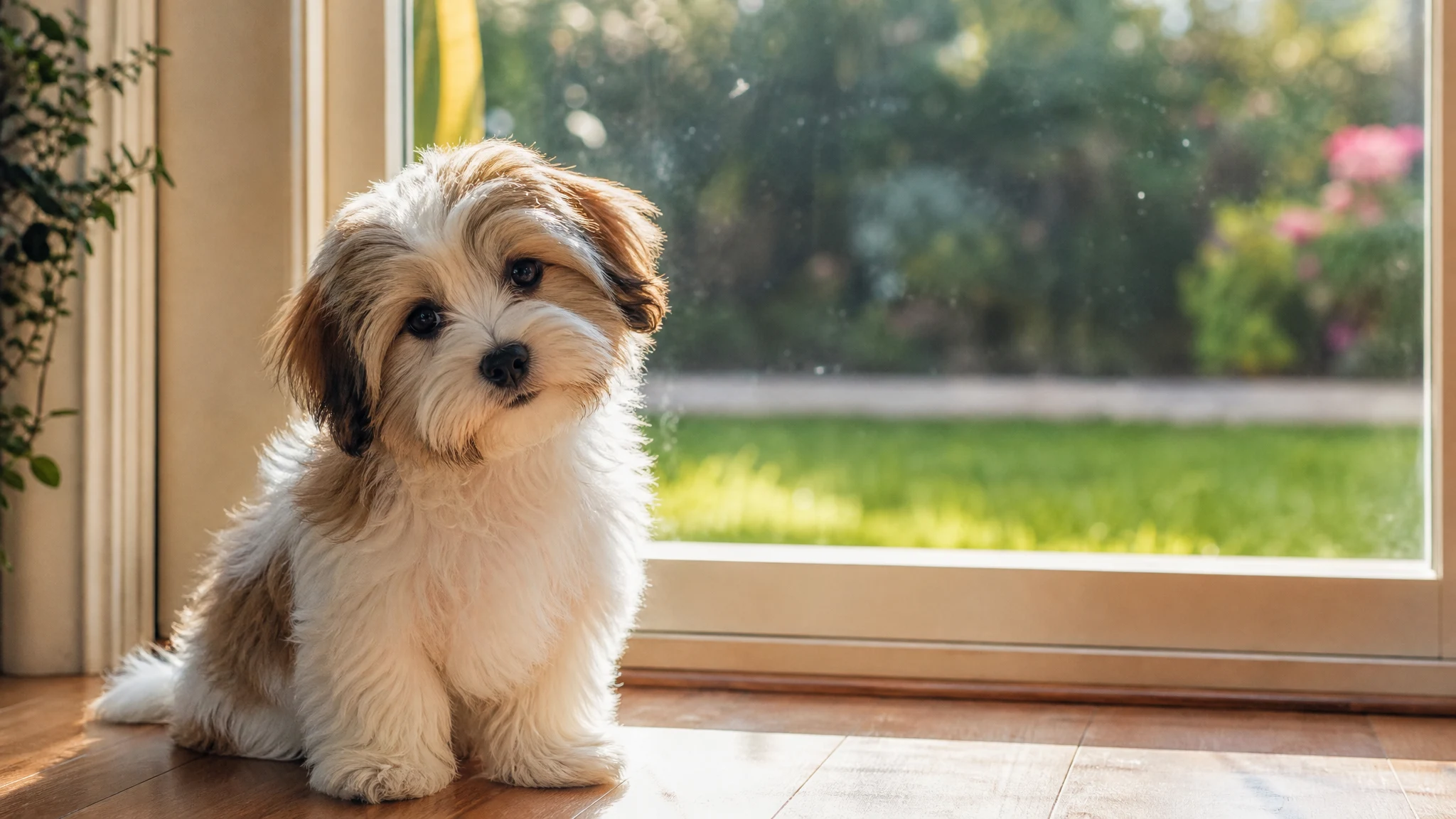
General training information. Every dog is an individual; for health or behavior concerns, see your veterinarian.
Potty training a Havanese is mostly about routine. This is a small dog, so the plan has to be built around frequent trips outside, close supervision and a lot of calm repetition.
The Westminster Kennel Club lists the Havanese in the Toy group and rates trainability at 4 out of 5. Vetstreet describes the breed as easy to train and says to start the day the puppy comes home. That is good news. It does not mean your puppy will skip the messy middle, so plan for a few weeks of patience.
This guide covers the supplies, a step-by-step schedule, crate use, how to handle accidents without punishment, and what to expect.
What Havanese House Training Looks Like
Havanese potty training works like it does for any puppy: you control where the puppy is, you take them to the right spot often, and you reward the right behavior every time. The breed details below shape how you apply that.
- Small size. Westminster lists adult weight at up to 13 pounds, and the United Kennel Club standard gives 7 to 14 pounds. A small dog needs to go out often, and a puppy can look for a hidden corner quickly. Close supervision matters.
- Eager to work with you. The UKC describes the breed as intelligent, easy to train and attentive to the handler. Reward-based training fits that well.
- Dislikes being alone. Purina notes the breed does not like to be left alone and can develop separation issues. This affects crate training, so build alone time slowly (more on that below).
- Can be vocal. Westminster rates barking at 4 out of 5. A puppy may tell you they need to go out, or they may just be chatty. Learn the difference by watching body language.
The sources we use do not say whether the breed is stubborn or sensitive, so treat your own puppy as an individual. If yours startles at a harsh tone, keep your voice soft. If yours gets distracted outside, keep trips short and boring until the job is done.
Materials You Will Need
- A crate or small playpen sized so your puppy can stand, turn around and lie down. A crate that is too big can become a bathroom with a bed in the corner.
- A leash and a harness or flat collar. A leash keeps trips outside focused.
- Small, soft treats that your puppy can swallow quickly. Pea-sized pieces work well. Keep them in a pouch by the door.
- An enzyme-based cleaner made for pet messes. It helps remove odor so your puppy is less likely to return to the same spot.
- A consistent potty spot outside, ideally a small patch of grass near your door.
- A notebook or phone app to log meals, naps, trips outside and accidents.
- Optional: indoor pads or a grass patch if you live high up in an apartment or cannot get outside quickly. Decide up front whether pads are a short-term tool or a long-term plan, because switching later takes extra work.
Step-by-Step: How to Potty Train a Havanese
Step 1: Pick the spot and a cue word
Choose one outdoor area and take your puppy there every time. Carry a young puppy if the walk is long, so they do not go on the way.
Pick a short cue such as "go potty" and say it once, quietly, as your puppy starts to go. Over time the phrase can help prompt the behavior. Do not repeat it over and over.
Step 2: Build a schedule around the key moments
Puppies usually need to go out at predictable times. Take your puppy out:
- First thing in the morning
- Right after meals
- After naps
- After play sessions
- Before bed
- Any time they start sniffing in circles, whining or heading for a corner
Here is a sample day. Adjust it to your household and your puppy's age.
- Wake up: straight outside, then breakfast.
- Ten to twenty minutes after breakfast: outside again.
- Short play, then outside, then nap in the crate or pen.
- After the nap: outside right away.
- Repeat through the day, with meals at set times.
- Last trip outside right before bedtime.
Many young puppies need a trip every hour or two while awake. Your puppy's age and your vet's advice should set the real intervals. The sources we rely on do not give a bladder timeline for this breed, so ask your veterinarian or breeder what is reasonable for your puppy.
Step 3: Go out with your puppy, every time
Stand still, stay quiet and let your puppy sniff. Skip the play until the job is done. If your puppy goes, praise calmly and give a treat right away, while they are still outside. A treat after you walk back in is too late for your puppy to connect it with going.
If nothing happens after a few minutes, go back inside and keep your puppy close or in the crate for a short time. Then try again. This stops the pattern of "no luck outside, then a puddle on the rug."
Step 4: Use the crate as a rest place, not a punishment
Dogs generally avoid soiling the place where they sleep, which is why a properly sized crate helps. Use it for naps, for short breaks when you cannot watch your puppy, and for sleeping at night.
- Make it comfortable with a soft bed and a safe chew toy.
- Feed some meals in the crate so it becomes a good place.
- Take your puppy straight outside when you let them out.
- Never use the crate as punishment.
Because Purina notes this breed does not like to be left alone, build up crate time in small steps. Start with a few minutes while you are in the room, then move out of sight for brief periods. If your puppy panics, distress barking and scratching are signs to slow down. A puppy who is frantic in the crate is not learning to be clean, and soiling from stress is a separate problem.
A playpen next to your chair can be a good middle step. Your puppy stays near you but in a limited space.
Step 5: Supervise when your puppy is loose
When your puppy is out of the crate, keep them in the same room as you. A leash tied to your belt or a baby gate can help. Watch for these signs:
- Sniffing the floor in circles
- Suddenly stopping play and wandering off
- Whining or standing at the door
- Squatting or lifting a leg
If you see any of these, calmly scoop your puppy up and head outside. If you cannot watch, use the crate or pen.
Step 6: Teach your puppy to tell you
Some people hang a bell on the door and tap it with your puppy's paw or nose before each trip outside. Others simply watch for the door-stare. Either way, reward the signal and go out right away. Since the breed can be chatty, your puppy may use their voice. Decide whether you want barking to mean "let me out," and respond only when it is a genuine request, not a demand every few minutes.
Step 7: Stretch the time slowly
When your puppy has several clean days in a row, add a little more time between trips and a little more freedom in the house. If accidents return, go back a step. Moving to more freedom too fast is the most common reason progress stalls.
What to Do After an Accident
Accidents are normal and expected. How you respond matters.
- Stay calm. If you catch your puppy in the act, make a small, neutral interruption sound, scoop them up and carry them outside. If they finish there, reward them.
- Clean it up without a fuss. Use an enzyme cleaner and avoid products with strong ammonia smell.
- Do not punish. No yelling, no rubbing a nose in it, no scolding after the fact. The American Veterinary Society of Animal Behavior (AVSAB) supports reward-based training and warns that punishment can increase fear and anxiety. A scared puppy often learns to hide when they go, which makes training harder.
- Look at what happened. Was the gap between trips too long? Did you miss a sign? Did something change, like a new visitor? Adjust the plan, not the puppy.
If you find the mess later, just clean it. Your puppy cannot connect a reaction now with something they did earlier.
Common Mistakes to Avoid
- Giving too much freedom too soon. A whole house is overwhelming for a tiny puppy.
- Skipping the leash outside. Without it, your puppy may wander, play and forget the point.
- Rewarding late. The treat needs to come within a couple of seconds of finishing.
- Playing before they go. Potty first, then fun.
- Changing the routine daily. Meals, walks and bedtime at similar times make potty times predictable.
- Leaving a puppy alone for long stretches too early. Given the breed's dislike of being alone, arrange a helper or a midday visit if you work away from home.
- Using pee pads and expecting a switch overnight. If you want an outdoor dog, keep the main focus outside.
- Ignoring weather. A small dog may balk at rain or cold. Use a covered spot if you can, and keep the trip brief and rewarding.
Tips That Help
- Take your puppy out on a leash at night, quietly and without play, so night trips stay boring.
- Pick up the water bowl a short time before bed if your vet agrees, but never restrict water without veterinary advice.
- Feed measured meals at set times. A predictable intake makes output easier to predict.
- Keep notes for the first couple of weeks. Patterns show up quickly.
- Be consistent among family members. Everyone should use the same door, spot and cue word.
- Practice short sessions of other skills, such as name response and sit, so your puppy gets used to working for treats. The UKC notes the breed is attentive to the handler, which you can use.
When to Talk to Your Veterinarian
If your puppy has frequent accidents despite a good routine, strains, seems to be in discomfort, or has a sudden change in habits, call your veterinarian. Medical problems can look like training problems, and only a vet can sort that out. Do not give any medication or supplement for this on your own.
What Results to Expect
There is no single timeline. The sources we use do not give a house training timeline specific to the Havanese, so treat any number you read with caution.
Many owners see the pattern settle over several weeks to a few months, but it can take longer for some dogs. Progress tends to look uneven: a few clean days, then a slip when something changes. That is a normal part of learning.
A consistent routine, close supervision and well-timed rewards may help your puppy learn faster. Small dogs often need more patience, and individual puppies vary. If you are unsure whether your puppy is on track, your breeder or veterinarian can give a better read than any chart.
Be aware that house training can slip during big changes, like moving, a new baby or boarding. Go back to the basics for a few days and it usually settles again.
A Quick Recap
- Choose one outdoor spot and a cue word.
- Take your puppy out after meals, naps, play and sleep, and often in between.
- Stay with them, then reward right away.
- Use a properly sized crate or pen for rest, and build alone time gradually.
- Supervise whenever your puppy is loose.
- Clean up accidents calmly and never punish.
- Add freedom slowly as clean days build up.
A Havanese puppy is eager to be near you, and that closeness is your best tool. Stay patient, keep the routine steady and celebrate the small wins.